
How to Choose the Right Underfloor Heating Pipe and Pump System in the UK
Understanding Underfloor Heating Systems
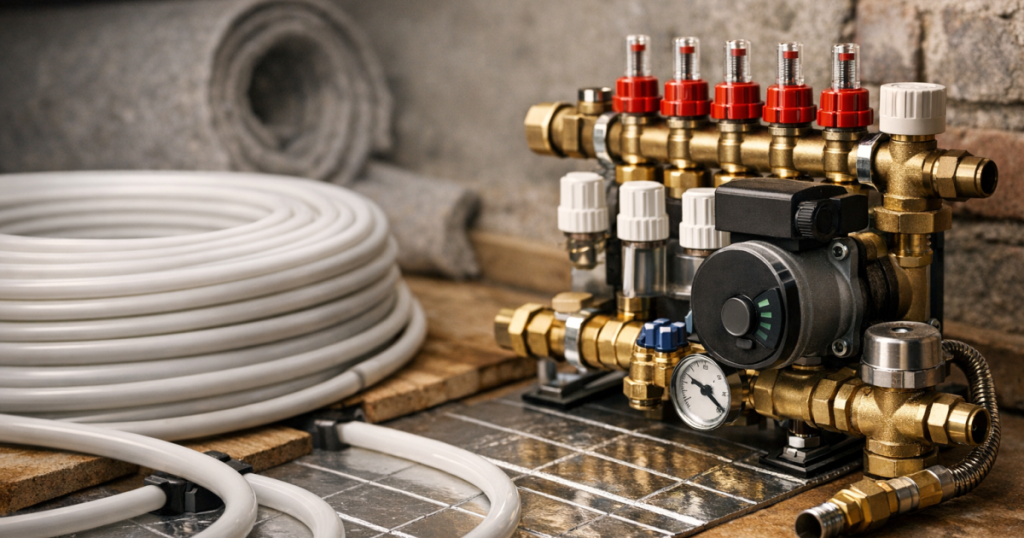
When considering an underfloor heating pipe and pump system for your property, understanding the available options is crucial. Underfloor heating systems provide an efficient alternative to traditional radiators, allowing for a more evenly distributed warmth across your space. Choosing the right system involves assessing factors like floor type, insulation, and the specific heating needs of your home.
Types of Underfloor Heating Pipes
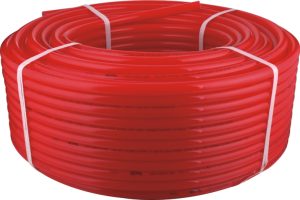
There are generally two types of pipes used in underfloor heating systems: PEX (Cross-Linked Polyethylene) and ALU-PEX (Aluminium Layered PEX). Each has its benefits:
- PEX Pipes: Flexible and resistant to scale and chlorine, making them ideal for a variety of installations. They can expand and contract, which helps reduce the risk of cracking.
- ALU-PEX Pipes: Combining the flexibility of PEX with an aluminium layer gives better control over heat diffusion, making them particularly effective in larger areas.
When choosing a pipe, consider factors like floor type and installation method. For instance, PEX is often recommended for concrete floors, while ALU-PEX suits a range of floor surfaces.
The Importance of Choosing the Right Pump
Your underfloor heating system will require a pump to circulate the heating water efficiently. The size and type of pump you choose will greatly influence the system’s effectiveness. Typically, you will have options such as:
Explore relevant products and categories
Browse the most relevant category and product options for this guide.
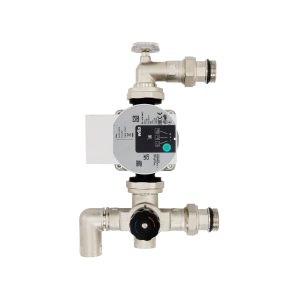
- Circulation Pumps: These continuously move water around the system and are ideal for larger spaces.
- Variable Speed Pumps: These adjust the flow rate based on the heating demand, providing greater energy efficiency.
It’s essential to consider the flow rate your system requires; larger systems will often need pumps with higher capacities.
Compatibility with Floor Types
Not all pipe systems are compatible with every type of flooring. For instance, wooden floors require specific considerations to avoid damage. For a full list of compatible flooring, check out our guide on installing underfloor heating on different flooring.
Energy Efficiency and Cost Considerations
Long-term energy efficiency can save you significantly on heating costs. Look for systems with low thermal resistance, and consider insulation that complements your heating system. The initial investment may vary based on your chosen pipes and pump, but savings on your energy bill can justify the expense. Additionally, evaluating different underfloor heating systems can help you monitor potential savings over time.
Common Installation Challenges
Installing underfloor heating can come with challenges. Common installation issues include difficulties with floor preparation and ensuring efficient heat distribution. It’s vital to approach these tasks methodically. For a step-by-step guide on installation, see our resource on how to install an underfloor heating system.
Avoiding Common Mistakes
Avoid pitfalls such as:
- Inadequate insulation: Ensure that your floors are well-insulated to prevent heat loss.
- Poor layout planning: Efficient layout is crucial for even heat distribution. Refer to our article on planning your layout for efficient installation.
- Neglecting local regulations: Always check if your installation meets local building codes and regulations.
Next Steps for a Successful Installation
Once you’ve gathered all relevant information, compare your options based on your home’s needs and consult with professionals if required. Having expert advice can be invaluable, especially regarding system design and installation concerns. For further assistance, do not hesitate to get in touch with our team.
Related reading
- How To Choose the Best Underfloor Heating System for Different Floor Types
- Troubleshooting Common Issues During Installation
- Common Installation Challenges with Underfloor Heating