
How To Choose the Best Underfloor Heating System for Different Floor Types in UK Homes
Understanding Underfloor Heating Systems
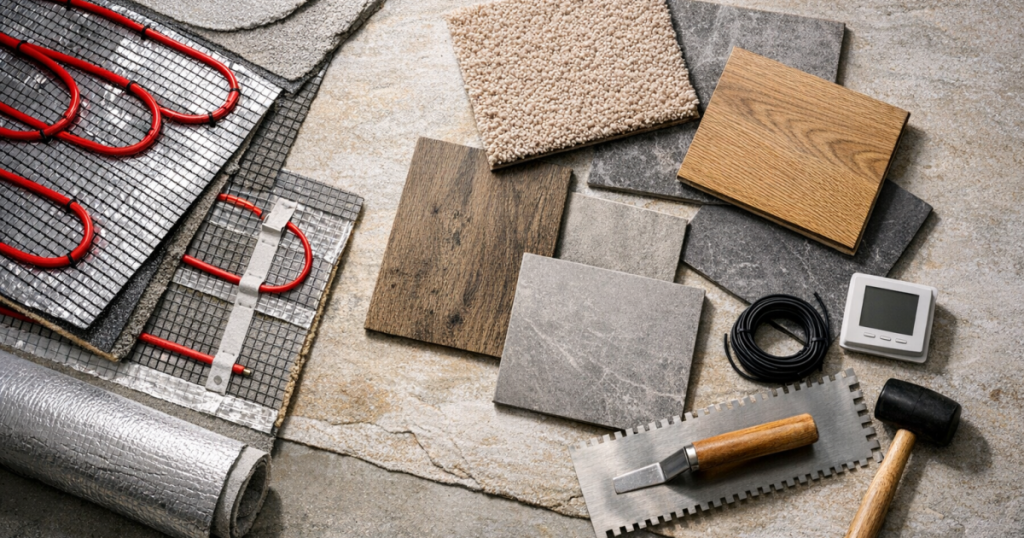
Choosing the best underfloor heating system involves more than just picking a kit; it requires consideration of specific floor types found in UK homes. Each flooring material interacts differently with heating systems, which can greatly affect efficiency and comfort. An informed choice can lead to significant long-term benefits.
Why Floor Type Matters
The type of flooring in your home plays a crucial role in determining the ideal underfloor heating system. Different materials have varying thermal conductivity, which affects how heat is distributed. For instance, stone and tiles retain heat well, while carpet may require additional considerations for optimal warmth.
Types of Flooring and Compatible Heating Systems
1. Tile and Stone Floors
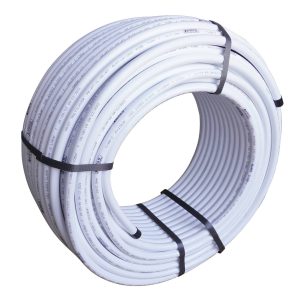
Tile and stone are excellent conductors of heat, making them highly compatible with underfloor heating. Wet systems, which involve circulating warm water through pipes, can be particularly effective here. They not only warm the floor efficiently but also retain warmth, providing a comfortable environment.
Explore relevant products and categories
Browse the most relevant category and product options for this guide.


2. Laminate Flooring
When selecting heat systems for laminate flooring, it’s essential to check compatibility. Floating laminate floors can be used with both electric and wet systems; however, be cautious with electric mats as they may require a specific underlay to ensure optimal performance.
3. Carpet
Carpet can sometimes hinder the efficiency of underfloor heating. For this reason, if you prefer this type of flooring, an electric underfloor heating system might be the best option, as it can be placed closer to the surface without the need for additional insulation. Aim for a carpet thickness under 10mm to aid heat transfer.
Comparing Heating Systems
Each heating system comes with its own advantages. Wet underfloor heating systems are often more efficient for larger spaces, while electric systems are quicker to install and suitable for smaller areas. Consider your home’s layout and needs carefully before deciding.
Common Mistakes to Avoid
- Neglecting Floor Preparation: Proper floor preparation is vital for optimal performance. Ensure the surface is clean and level before installation. Check out how to prepare your floor for underfloor heating installation.
- Ignoring Insulation: Insulation can be a game changer in efficiency. Make sure to install appropriate insulation boards to minimise heat loss.
- Overlooking Compatibility: Always verify that the heating system is compatible with the flooring of your choice. A mismatch can lead to decreased efficiency and comfort.
Next Steps in Your Underfloor Heating Journey
Once you understand the basics of underfloor heating and how to match it with your flooring, it’s advisable to consult a professional installer or supplier. They can provide tailored advice based on your specific needs.
To delve deeper into specific aspects of installation, consider checking how to install underfloor heating on different types of flooring or read about common issues during underfloor heating installation.
The Big Picture
By considering your floor type and understanding the strengths of different heating systems, you can make an informed decision that ensures comfort throughout your home. Underfloor heating can significantly impact your quality of life, making it worthwhile to choose wisely.
Explore Next
- How To Install an Underfloor Heating System in a UK Home Step-by-Step
- Which Type of Underfloor Heating Is Most Suitable for Different UK Homes?
- Comparing 400M 5 Layers EVOH 16mm Pipe and 300M 3 Layers EVOH 20mm Pipe