
How To Install an Underfloor Heating System in a UK Home Step-by-Step
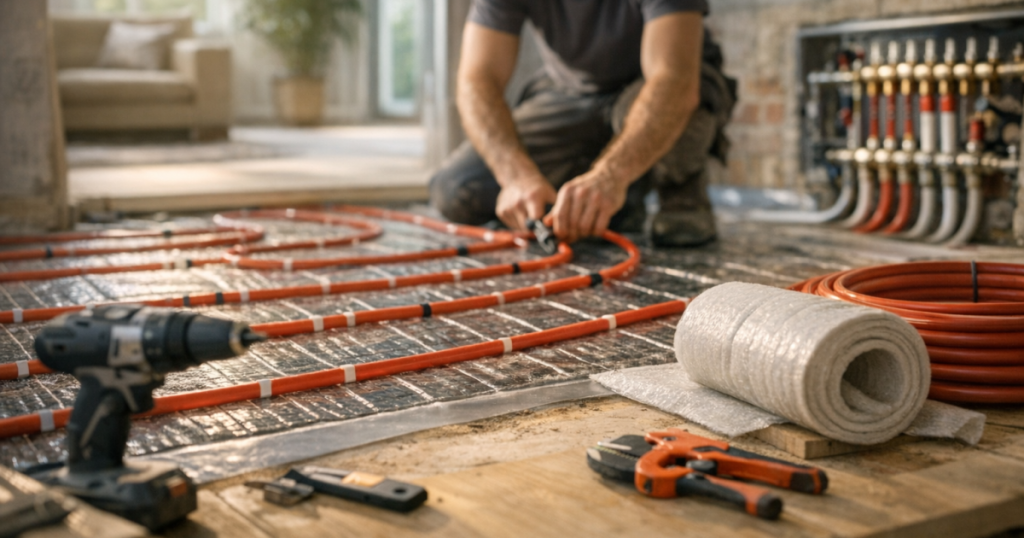
Getting Started with Underfloor Heating Installation
Explore the best options for your needs
Browse the available range to compare relevant products, categories, and next-step options.
Installing an underfloor heating system in your UK home can offer a luxurious and efficient way to heat your living spaces. This guide will walk you through the essential steps to ensure a seamless installation process.
Preparation for Installation
The first step in the installation process is preparation. Before proceeding, gather the necessary tools and materials, which typically include:
- Insulation boards
- Heating mats or pipes
- Thermostats
- Electric or wet system components
- Basic tools such as a drill, measuring tape, and trowel
It’s essential to prepare your floor properly, ensuring it is clean, dry, and level. Familiarise yourself with different types of underfloor heating systems, as this can influence your basement or ground floor heating options. For detailed insights, see our article on how to prepare your floor for installation.
Step-by-Step Installation Process
1. Designing the Layout
Plan the layout of your underfloor heating system to optimise heating efficiency. Consider hot and cold areas in your home and how best to distribute warmth. Utilising our guide on planning the layout for efficient installation can be immensely helpful.
2. Installing Insulation
Begin by installing insulation boards on your floor. This step helps to prevent heat loss downwards and increases the system’s overall efficiency. Ensure the insulation is evenly placed and cut any edges that may not fit snugly.
3. Setting Up the Heating System
Depending on whether you’re using electric or wet systems, the method of installation will differ. For electric systems, you’ll need to lay heating mats. Ensure these are spaced appropriately and cover the desired area. When installing a wet system, lay the heating pipes following your planned layout, making sure they’re securely fastened.
4. Connecting to the Thermostat
Once the heating elements are in place, you must connect them to a thermostat. Proper wiring is crucial, so be sure to follow manufacturer instructions carefully. For assistance with connections, refer to our post on safely connecting underfloor heating to the electrical system.
5. Test Before Covering
It’s advisable to test the heating system before covering it with your final flooring. Turn the system on to ensure everything functions properly, thus preventing future issues.
6. Finishing Touches
Once testing is complete and satisfactory, cover the heating system with your choice of flooring. Be aware of the requirements specific to your chosen flooring type, as some materials may retain heat differently than others. If you need guidance on installing underfloor heating on various flooring types, check out our article on installing underfloor heating on different types of flooring.
Who This Installation Suits
This installation process is ideal for those looking to enhance the comfort of their homes while achieving energy efficiency. It’s particularly suitable for renovating older homes where traditional radiators might not be as effective or for new builds that can be easily designed for underfloor heating installations.
Avoiding Common Mistakes
Being aware of common pitfalls can make your installation smoother. Some mistakes to avoid include:
- Not calculating thermal insulation correctly
- Ignoring flooring compatibility
- Forgetting to test the system before covering
Learning about common installation challenges can further help in avoiding these issues.
Next Steps After Installation
After successfully installing your underfloor heating system, make sure to regularly maintain it for optimum performance. Familiarise yourself with troubleshooting basic issues. For common issues and solutions, visit our guide on troubleshooting common issues.
Related Reading
- Planning the layout for efficient underfloor heating installation
- Installing underfloor heating on different types of flooring
- Troubleshooting common issues
If you have questions or need professional advice, don’t hesitate to get in touch with us.