
Step-by-Step Guide to Setting Up Zonal Controls for Underfloor Heating Efficiency
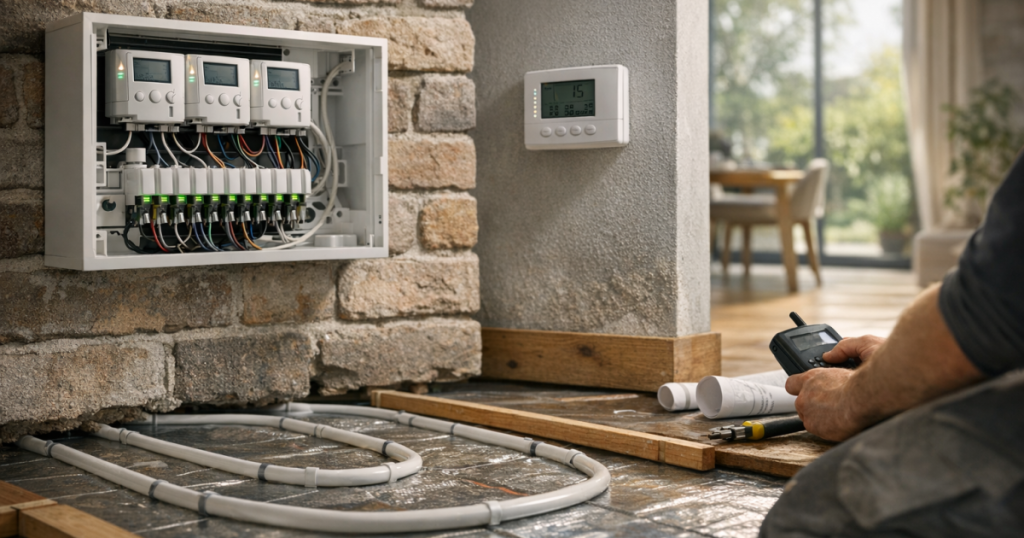
Understanding Zonal Controls
Explore the best options for your needs
Browse the available range to compare relevant products, categories, and next-step options.
Zonal controls for underfloor heating allow you to regulate the temperature in different areas or zones of your home independently. This means you can have tailored heating solutions for each room, enhancing comfort and improving energy efficiency. Setting up these controls can seem daunting, but with a systematic approach, it’s entirely achievable.
Benefits of Zonal Controls
Integrating zonal controls into your underfloor heating system brings several benefits:
- Energy Efficiency: Save money on energy bills by only heating the rooms you’re using.
- Increased Comfort: Tailor temperatures in different zones according to preferences.
- Flexibility: Control independent heating schedules for each area.
Professional Guidance
Please note that installation and setup of zonal controls involve electrical work that should be carried out by a qualified professional to ensure compliance with local regulations and safety standards.
Preparing for Installation
Before diving into the installation process, ensure you have the following:
- Underfloor Heating Kit: Confirm your underfloor heating is compatible with zonal controls.
- Thermostats: Acquire the necessary wired or wireless thermostats for each zone.
- Tools: Gather essential tools such as screwdrivers, a drill, and possibly a wire cutter.
Step-by-Step Setup Process
1. Identify Your Zones
Start by determining which areas of your home will be separate zones. Consider factors such as room size, usage, and heating needs. Common zones include living rooms, bedrooms, and bathrooms.
2. Install Thermostats
Locate the ideal positions for installing your thermostats, usually on interior walls about 1.5m above floor level. Ensure they’re away from drafts, direct sunlight, and heat sources:
- Mark the spots for drilling holes and use a level to ensure straight installation.
- Drill necessary holes and run cables from the heating system to each thermostat.
3. Connect the Wiring
Once the thermostats are in place, connect the wiring from each thermostat to the heating manifold or control unit. Pay attention to the wiring diagrams that will accompany your thermostats. Following these will ensure you make the correct connections.
4. Pair with Control Systems
If using wireless thermostats, follow the manufacturer’s instructions to pair each thermostat with your main control system. This step is crucial for ensuring smooth communication between the thermostat and the heater.
5. Test Each Zone
After installing the thermostats and connecting the wiring, it’s time to test each zone:
- Switch on the heating system and set each thermostat to different temperatures.
- Monitor whether the appropriate areas heat up as expected. Adjust settings or troubleshoot based on findings.
Common Mistakes to Avoid
While embarking on setting up zonal controls, keep an eye out for these common pitfalls:
- Inadequate Planning: Failing to correctly identify your zones can lead to inefficient heating.
- Improper Installation: Miswired thermostats can cause heating issues, making it vital to follow instructions closely.
- Neglecting Professional Help: Skipping professional installation may save costs but can lead to compliance and safety issues.
Who Benefits from Zonal Controls?
Zonal controls are particularly beneficial for:
- Families: Different preferences for temperature in various rooms.
- Open Plan Homes: Flexibility in heating only the used spaces.
- Energy-Conscious Homeowners: Those looking to minimise energy waste and costs.
Maximising Your Underfloor Heating Efficiency
For optimal efficiency with your underfloor heating setup, ensure you regularly maintain the system. This includes:
- Cleaning the heating manifold system periodically.
- Checking for leaks or blockages in the pipes.
- Integrating wireless thermostats effectively, which can help automate and enhance control.
- Sealing gaps in floor insulation to prevent heat loss.
Explore Further
For those interested in delving deeper into the world of underfloor heating, consider these additional resources:
- 750mm Pre-Insulated Hoses 11/4 Female Swivel 35mm Pair Review
- How to Integrate Wireless Thermostats with Your Underfloor Heating System in the UK
- How to Maintain and Clean Your Underfloor Heating Manifold System Safely
For tailored advice or to discuss specific requirements for your underfloor heating system, feel free to contact us.