
How to Calculate the Right Underfloor Heating Size and Output for Your UK Home
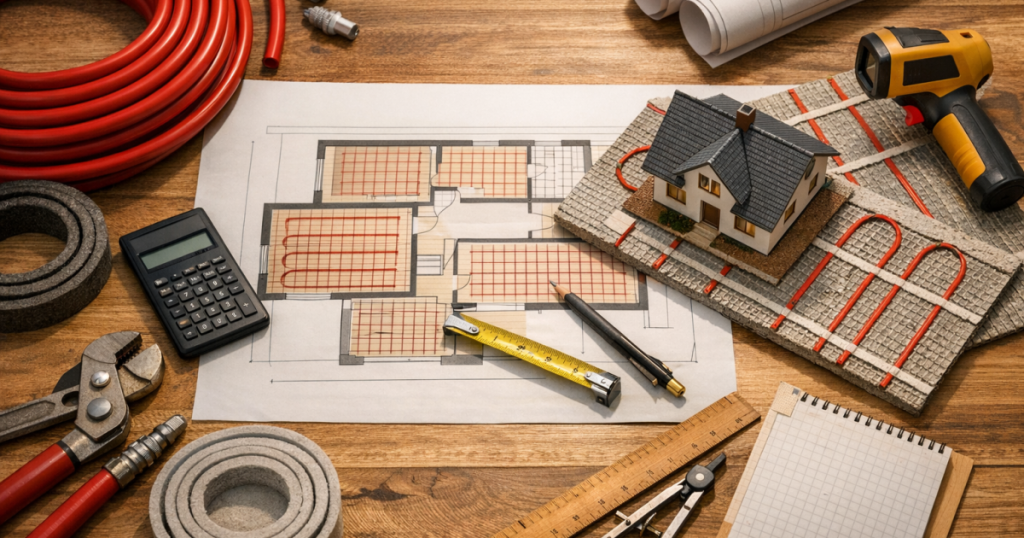
Understanding Underfloor Heating Requirements
The comfort of a warm floor can transform your living space, but achieving that warmth effectively starts with correctly calculating the underfloor heating size and output needed for your home. Getting this right ensures optimal performance and energy efficiency, making your investment worthwhile.
What You Need to Consider
Several factors influence the size and output of your underfloor heating system:
- Room Dimensions: Measure the length and width of the space you want to heat. Multiply these to get the overall area.
- Insulation Levels: Well-insulated rooms require less heating. Consider whether your home has insulated floors, walls, and ceilings.
- Flooring Type: Different floor materials (e.g., tiles, wood, carpet) affect the heat transfer efficiency. Each type has its own thermal conductivity.
- Heat Loss Calculations: Evaluate potential heat loss due to windows, doors, and exterior walls. This often involves understanding how much heat escapes from each part of your home.
Calculating Heat Output
Once you gather the above information, you can calculate the necessary heat output. The general formula to determine the heat output required in watts (W) is:
Heat Output (W) = Area (m²) × Heat Requirement (W/m²)
For standard rooms in the UK, the heat requirement typically ranges from:
- 50-80 W/m² for living rooms
- 70-100 W/m² for bedrooms
- 100-120 W/m² for bathrooms
Choose a value within these ranges based on the specific conditions of each room.
Determining Pipe Spacing
The next step is to decide on the spacing of your underfloor heating pipes. Typical spacing includes:
- 150mm apart for tiles and other hard surfaces
- 200mm apart for carpets and lightly insulated areas
Closer spacing may be needed in high-demand areas, while wider spacing suffices in lower demand areas, affecting the amount and type of fluid circulating through the system.
Choosing the Right Pipe Size
The diameter of the pipe also influences the efficiency and performance of the underfloor heating system. Common sizes include 16mm and 20mm, with 16mm pipes often preferred for general installations due to their lower water content and enhanced responsiveness.
Explore relevant products and categories
Browse the most relevant category and product options for this guide.
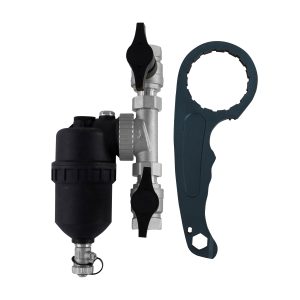

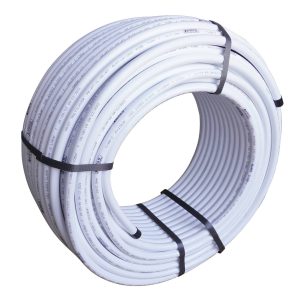
Refer to Comparing 400M 5 Layers EVOH 16mm Pipe and 300M 3 Layers EVOH 20mm Pipe for insight into choosing the proper pipe size for your installation.
Who Needs Extra Consideration?
Homes with specific needs might require tailored approaches:
- Older Properties: May have less insulation, demanding higher heat outputs.
- New Builds: Often have better insulation, allowing for lower outputs.
- Single Rooms: Might need different configurations compared to open plan spaces; consider separate zones.
If you’re unsure about your home’s requirements or want to explore how to prepare your floor for underfloor heating installation, check out How to Prepare Your Floor for Underfloor Heating Installation.
Avoiding Common Mistakes
Many homeowners make miscalculations that hinder the effectiveness of their heating systems. Key mistakes include:
- Ignoring Insulation: Failing to consider insulation can lead to underperforming systems, so always check your home’s insulation quality.
- Improper Pipe Spacing: Incorrect spacing might either lead to overheating or inadequate heating, causing discomfort in the home.
- Not Evaluating Heat Loss: Overlooking heat loss can result in insufficient heating during colder months.
Compiling Your Results
After gathering all necessary measurements, proceed with the calculations. Here’s a quick rundown of your methodology:
- Measure the room dimensions.
- Determine the insulation and material type.
- Calculate heat output needed based on area and type.
- Decide on pipe spacing.
- Choose appropriate pipe size.
This will provide you with a good estimation of the required output for your underfloor heating system.
Explore Your Next Steps
If you’re ready to select the right underfloor heating system for your home, understanding how to evaluate options is crucial. Visit How to Evaluate Underfloor Heating Systems for Different UK Homes for more information on functionalities, compatibility, and system advantages.
Related Reading
- How to Choose the Right Underfloor Heating Pipe and Pump System in the UK
- How to Install Underfloor Heating on Different Types of Flooring
- Troubleshooting Common Issues During Underfloor Heating Installation
For tailored advice or specific questions regarding your installation, feel free to get in touch with us.