
Key Steps to Ensure Efficient Underfloor Heating Insulation During Installation
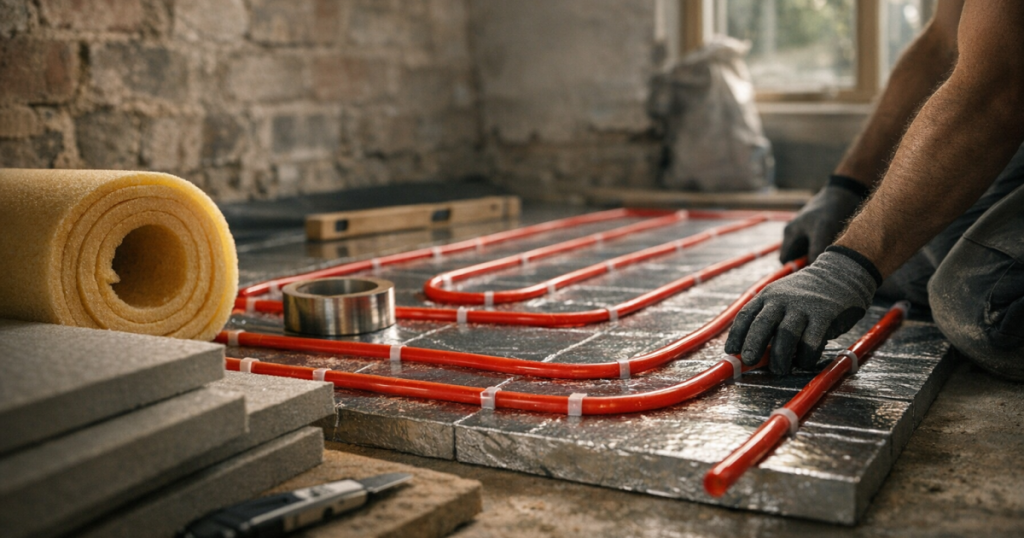
Understanding the Importance of Insulation
Explore the best options for your needs
Browse the available range to compare relevant products, categories, and next-step options.
Efficient underfloor heating insulation is crucial for maximising the effectiveness and energy efficiency of your heating system. Proper insulation helps in retaining heat within the flooring, leading to reduced energy costs and enhanced comfort. Whether you’re renovating an existing space or starting from scratch, paying attention to insulation during installation can make a significant difference.
Key Steps for Effective Insulation
1. Evaluate Your Flooring Type
The first step in ensuring efficient insulation is to assess the type of flooring you have. Different flooring materials, such as tiles, wood, or carpet, interact with heat differently. For instance, tile retains heat well, while carpet may require additional insulation layers to achieve the same efficiency. Understanding your flooring type allows you to select the right insulation material.
2. Choose the Right Insulation Material
Picking the appropriate insulation material is essential. Common options include:
- Foam boards: These provide excellent thermal resistance and can be cut to fit the specific dimensions of your space.
- Mineral wool: Known for its soundproofing and thermal properties, mineral wool can be an effective choice for insulating underfloor heating.
- Reflective insulation: This type reflects heat back into the room, enhancing efficiency.
Consulting product specifications and comparing thermal resistance (R-values) can help you choose the best insulation for your project.
3. Prepare the Subfloor
Before installing insulation, it’s important to prepare the subfloor properly. Ensure that it is clean, dry, and free from any debris. Check for any gaps or cracks that could allow heat to escape. Sealing these gaps using suitable materials helps improve the insulation’s effectiveness.
4. Lay Insulation Correctly
When laying insulation, ensure that it fits snugly against the subfloor without any gaps. Overlapping edges can help prevent heat loss. If you’re using foam boards, tightly butting them together is essential. For added protection, consider using a damp-proof membrane if you’re installing over moist ground conditions.
5. Install the Underfloor Heating System
Once the insulation is in place, you can install the underfloor heating system. Follow the manufacturer’s instructions carefully for optimal results. Ensure that all components, including pipes or electric heating mats, are securely placed on top of the insulation layer, allowing efficient heat distribution across the entire floor.
6. Test the System
Before closing up the flooring, testing the system is vital. This step verifies that everything is installed correctly and functioning as intended. Consulting How to Inspect and Test Your Underfloor Heating System Before Final Installation can guide you through this process effectively.
Ensuring Long-term Efficiency
Regular checks of your underfloor heating system can help maintain its efficiency. Make sure to schedule annual inspections to identify any potential issues early. Address any problems as they arise to ensure your heating system remains effective throughout its life.
Guidance Note
Certain aspects of underfloor heating installations, such as electrical connections, should be performed by a qualified professional to comply with local regulations and ensure safety standards.
Where to Find Quality Insulation Products
When selecting insulation materials, opt for reputable suppliers that provide products designed for underfloor heating systems. You can find a range of insulation options along with underfloor heating kits at our online store.
Further Reading
- Installing a Manifold and Control System for Underfloor Heating
- How to Design Underfloor Heating Systems for Different UK Property Types
- How to Calculate the Right Underfloor Heating Size and Output for Your UK Home