
Essential Considerations for Underfloor Heating Installation in Homes
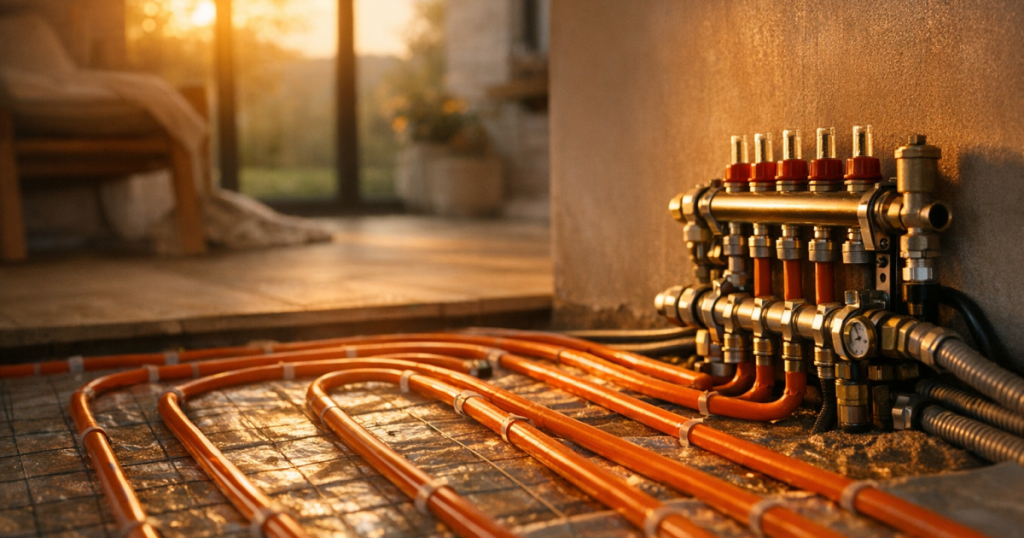
Creating a Warm and Inviting Space
Underfloor heating installation considerations are critical for homeowners looking to enhance comfort and efficiency. Whether you’re renovating or building from scratch, understanding the key factors can significantly influence the success of your project. Installing underfloor heating not only ensures even heat distribution but can also lower energy bills over time.
Understanding Your Options
Before diving into installation, it’s essential to understand the types of underfloor heating systems available. Generally, these fall into two categories: electric and water-based systems. Each type has its advantages and specific installation requirements. For a detailed comparison between these options, check out our guide on Comparing Water-Based and Electric Underfloor Heating Systems.
Evaluating Your Space
The space where the underfloor heating will be installed plays a significant role in determining the best heating solution. Factors such as room size, flooring type, and insulation quality should all be assessed. Well-insulated spaces can achieve optimal heating more efficiently, thus reducing running costs.
Sizing and Output
Proper sizing is key to efficient heating. Each room will have a specific heat requirement based on its dimensions and insulation. It may be beneficial to consult a professional for a heating design calculation, which can ensure your system meets the necessary output and efficiency metrics.
Flooring Considerations
The type of flooring you choose will also impact how effective your underfloor heating will be. Materials like tile and stone retain heat well, making them ideal. In contrast, carpets can insulate and may require a higher output from the heating system.
Installation Process
Following the correct installation steps is crucial to maximise the effectiveness of your underfloor heating. A professional installation can help avoid common pitfalls such as thermal bridging and uneven heat distribution. For a comprehensive overview of the installation steps, refer to our Step-by-Step Guide to Underfloor Heating Installation.
Common Pitfalls to Avoid
- Neglecting Insulation: Poor insulation can significantly reduce the efficiency of your heating system. Ensuring your floor is adequately insulated can save you money.
- Incorrect Placement of Heating Elements: Ensure that heating cables or pipes are installed correctly, following exact spacing guidelines.
- Failing to Test Before Flooring: It’s advisable to test your underfloor heating system before laying floor coverings. This ensures everything is functioning properly.
Maintenance and Longevity
Once your underfloor heating system is up and running, regular maintenance is key to its longevity. Routine checks can help identify any issues early on. Ensure that the system is drained if you live in an area prone to freezing temperatures.
Accessing the Right Accessories
Using the right accessories can enhance your underfloor heating system’s efficiency. Items such as thermostats, insulation boards, and heating mats should all be considered in your installation. For insights on essential accessories, refer to our page on Best Underfloor Heating Accessories for Efficient Installation.
What to Remember
Successfully installing underfloor heating involves careful planning and execution. Understanding your options, evaluating your space, and selecting the right materials are crucial steps in the process. With the right approach, you can create a warm, inviting home that remains energy efficient.
Explore Next
- What to Consider When Buying Underfloor Heating
- Essential Factors for Successful Underfloor Heating Installation
- Choosing the Best Materials for Underfloor Heating Installation
If you have further questions or need assistance with your underfloor heating project, feel free to get in touch with our team.
Choosing the Right Thermostat
The thermostat you select for your underfloor heating system can greatly influence its performance and efficiency. Modern smart thermostats allow for programmable settings, giving you the ability to create heating schedules that suit your lifestyle. These devices can often be accessed via smartphone apps, enabling you to adjust temperatures remotely, which not only enhances comfort but also conserves energy when you’re not at home.
Additionally, consider thermostats with adaptive features that learn your heating preferences over time. They can automatically adjust heating patterns based on usage and environmental conditions, ensuring your home remains comfortable without excessive energy consumption.
Integrating with Home Automation Systems
If you’re looking to optimise your home’s energy efficiency further, integration with a home automation system can be advantageous. This allows your underfloor heating to work in sync with other systems, such as lighting and air conditioning. By setting scenes or routines—for instance, lowering the heating when you leave for work and warming up just before your return—you can maximise comfort while keeping energy costs down.
Moreover, make sure that the installation of your underfloor heating system accommodates any future smart home enhancements. Planning for this at the outset can save you time and effort later, ensuring you’re future-ready in a constantly evolving technological landscape.