
How to Maintain and Clean Your Underfloor Heating Manifold System Safely
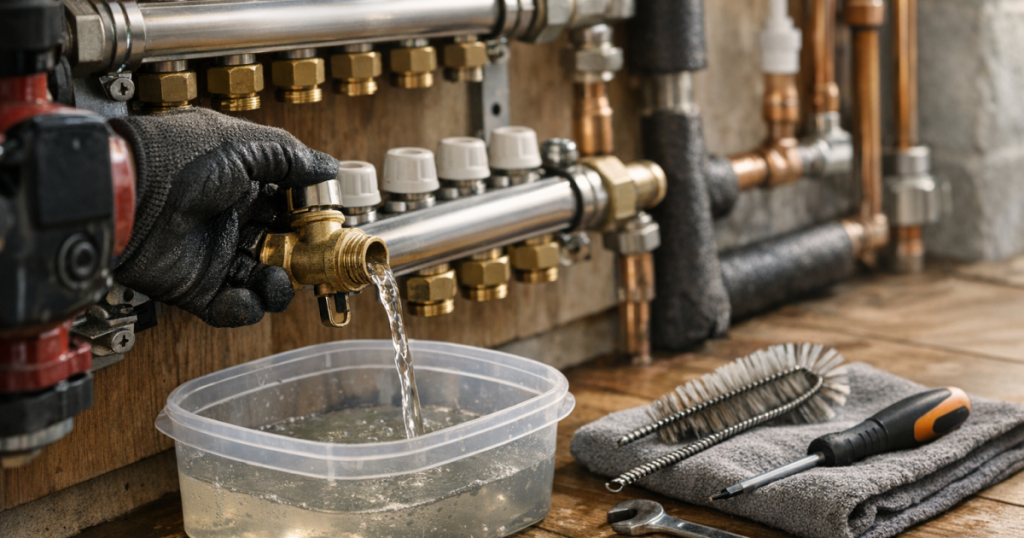
Understanding Your Underfloor Heating Manifold
Explore the best options for your needs
Browse the available range to compare relevant products, categories, and next-step options.
The manifold system is the heart of your underfloor heating network, distributing warm water evenly throughout your home. Proper maintenance and cleaning of this system are essential for ensuring optimal performance and longevity. Neglecting maintenance can lead to inefficiencies and costly repairs, making it crucial to be proactive.
Common Benefits of Regular Maintenance
Routine care helps:
- Enhance energy efficiency, lowering heating costs.
- Identify and address minor issues before they escalade into major problems.
- Extend the lifespan of your heating system.
Keeping your manifold in good condition ultimately supports a comfortable living environment.
Necessary Tools and Supplies
Before starting the maintenance process, gather the following tools and supplies:
- Soft cloth or sponge
- Non-corrosive cleaning solution
- Wrench
- Bucket to collect any water
- Protective gloves
- Screwdriver if needed
Having the correct tools ensures that the process is efficient and safe.
Steps to Clean and Maintain Your Manifold System
1. Turn Off the System
Safety is paramount. Before beginning any maintenance, ensure the heating system is turned off and cooled down. Disconnect the power source to prevent any accidental activation while you work.
2. Inspect the Manifold
Check the manifold for any visible signs of damage, leaks, or corrosion. Look closely at connections and joints. If you do notice any issues, it’s advisable to consult a qualified professional to address these concerns.
3. Clean the Exterior
Using a soft cloth or sponge, gently wipe down the exterior of the manifold. Employ a non-corrosive cleaning solution to avoid damaging any components. Avoid using abrasive materials that could scratch the surface.
4. Check Valves and Connections
Ensure all valves are functioning properly and securely connected. Tighten any loose connections with a wrench, but be cautious not to overtighten as this can cause damage.
5. Flush the System (Optional)
Flushing may be necessary if you notice poor heating performance. To do this:
- Connect a garden hose to the drain valve at the lowest point in the system.
- Open the valve and allow water to flow through, flushing out debris and contaminants.
- Close the valve and refill the system with fresh water.
If you are unsure about flushing, consult experts to handle this to avoid potential damage.
6. Reconnect and Test
Once satisfied with the cleaning, reconnect any components or power sources. Turn the system back on to test for proper functionality. Monitor the manifold for any unusual sounds or leaks.
Future Maintenance Tips
To ensure ongoing efficiency, consider scheduling maintenance checks at least once a year. Regular inspections can help in identifying issues before they become problematic. Additionally, follow the guidelines provided by your manual for seasonal checks. If you want to learn more about efficient underfloor heating practices, explore our guide on maximising efficiency in small homes.
Common Mistakes to Avoid
Ignoring Symptoms
Don’t overlook signs of malfunctions, like fluctuating temperatures or unusual noises. Address these signs promptly to avoid costly repairs.
Skipping Regular Checks
Regularly scheduled maintenance should never be neglected. Make use of seasonal reminders to ensure upkeep.
DIY Repairs Beyond Your Expertise
Some tasks should always be completed by a qualified professional. Major repairs, particularly electrical work or significant leaks, should not be attempted without proper training. Always ensure compliance with local regulations to guarantee safety.
What to Do Next
If your manifold system appears to require substantial repairs or upgrades, consider assessing compatible options. Our guide on designing systems for various properties may help inform your decisions.