
How to Safely Connect Underfloor Heating to Your Home’s Electrical System
Understanding the Basics
Explore the best options for your needs
Browse the available range to compare relevant products, categories, and next-step options.
As underfloor heating becomes increasingly popular in the UK, ensuring a safe connection to your home’s electrical system is vital. This process requires careful consideration and understanding of your home’s wiring and the specific requirements of your heating system. By following best practices, you can help avoid common issues and ensure efficient operation.
Key Components for Connection
To effectively connect underfloor heating to your electrical system, you’ll need the following components:
- Thermostat: This device allows you to control the temperature of the underfloor heating.
- Electrical supply: Ensure you have a dedicated circuit with adequate capacity for the heating elements.
- Wiring: Use appropriate cables that conform to local electrical codes.
- Fuse or Circuit Breaker: Essential for protecting the system from electrical faults.
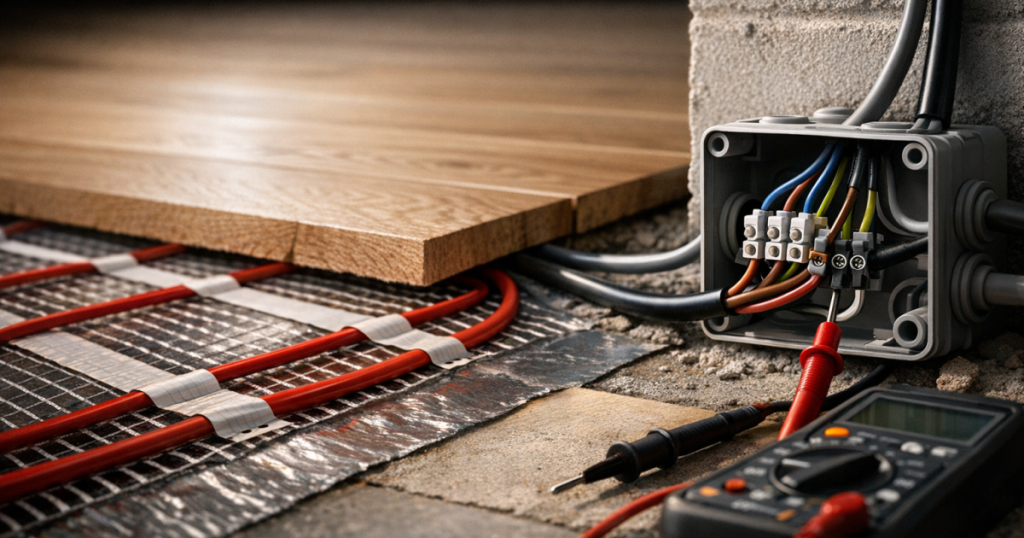
- Connection Box: A secured enclosure for all electrical connections that typically includes terminal blocks.
Safety Considerations
Safety should always be your top priority when connecting an underfloor heating system. Here are some essential safety tips:
- Consult a Professional: Engaging a qualified electrician is advisable to ensure that everything meets the necessary building regulations.
- Check the Electrical Load: Verify that your household circuit can handle the load from the underfloor heating system without overloading.
- Install a Residual Current Device (RCD): This offers protection from electric shock and prevents fire hazards.
- Follow Manufacturer’s Instructions: Each underfloor heating system can have specific connection requirements; always adhere to these guidelines.
Step-by-Step Connection Process
Follow these steps for connecting your underfloor heating safely:
1. Prepare the Area
Clear the floor area and ensure all tools are ready. Make sure to have access to the electrical supply panel.
2. Install the Thermostat
Choose an appropriate location for the thermostat, ideally away from direct heat sources. Connect the thermostat per the instructions, ensuring the circuit is off.
3. Wiring the Heating System
Run the heating cables to the connection box. Connect wires securely, ensuring no exposed copper is visible. Refer to the user manual for the correct wiring layout.
4. Connect to Electrical Supply
Link the connection box to the circuit. This should be done cautiously; it’s advisable to have an electrician perform this step. Make sure to test the circuit before fully sealing everything.
5. Test the System
Once connections are made, turn the power back on and test the system to ensure everything is functioning correctly.
Common Mistakes to Avoid
While connecting underfloor heating systems, avoid these frequent missteps:
- Neglecting Electrical Ratings: Always ensure components are rated for the specific voltage and current of your heating system.
- Ignoring Local Regulations: Not adhering to local electrical codes can lead to safety hazards.
- Overloading Circuits: Ensure you do not exceed the recommended load on your electrical circuits.
Choosing the Right Underfloor Heating System
The type of heating system you choose can affect how you connect it to your electrical system. Consider the following options:
- Electric Underfloor Heating: Best for smaller spaces or renovations where a full heating system isn’t feasible. Easy to connect but ensure proper circuit protection.
- Wet Underfloor Heating: Involves water pipes and requires more extensive installation. Typically more energy-efficient for larger areas.
For a detailed comparison of these systems, check out Wet Underfloor Heating vs Electric Underfloor Heating: A Comprehensive Comparison.
Next Steps
If you’re considering the installation of an underfloor heating system or need assistance with connection, it’s beneficial to consult with an expert. They can guide you on choosing suitable systems and completing safe installations. Consider reading our articles on What to Consider When Buying Underfloor Heating and How to Evaluate Underfloor Heating Systems for Different UK Homes for more insights.
Explore Next
- How to Prepare Your Floor for Underfloor Heating Installation
- Essential Tools for Underfloor Heating Installation
- Essential Considerations for Underfloor Heating Installation in Homes
While the connection of your underfloor heating system can seem daunting, proper planning and adherence to safety measures can streamline the process and ensure a successful installation. If you require professional support, contact us for expert advice.