
Choosing the Right Underfloor Heating System for Your Home
Making the Right Choice for Your Home
Deciding on the best underfloor heating system can transform your living space into a warm, inviting environment. With various options available, it’s crucial to understand your specific needs and how different systems operate. The right choice will not only enhance your comfort but also improve energy efficiency in your home.
Understanding Your Options
Two primary types of underfloor heating systems are widely available: electric and water-based systems. Each has its advantages and is suited to different scenarios. Understanding these systems can guide you in making an informed decision.
Electric Underfloor Heating
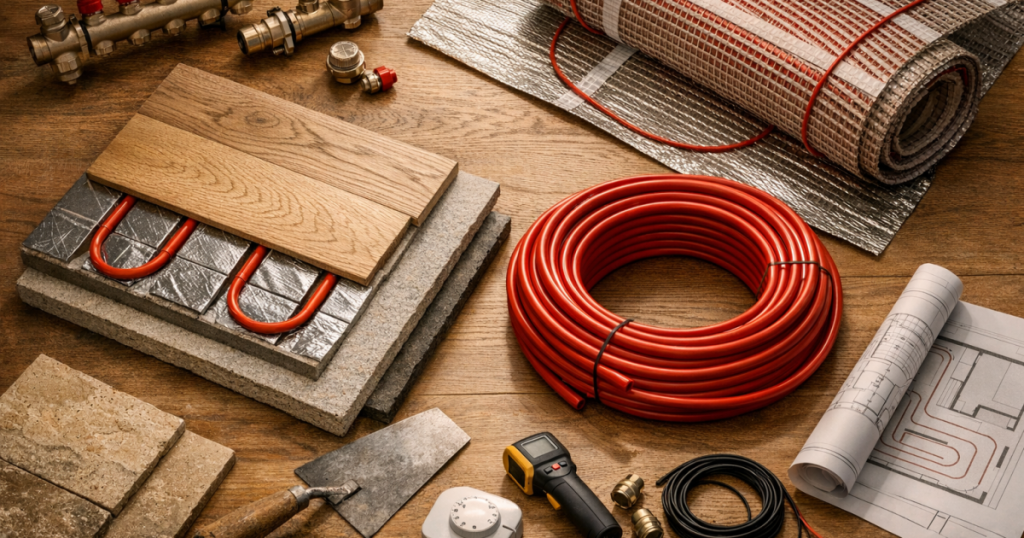
Electric underfloor heating systems comprise heating cables or mats installed beneath the floor surface, making them particularly suitable for smaller areas or rooms that need additional heating. They offer easier installation and often come with programmable thermostats for controlling temperatures efficiently.
Water-Based Underfloor Heating
Water-based systems, often referred to as hydronic underfloor heating, circulate warm water through pipes beneath the floor. While they may require more complex installation, they are usually more efficient for larger spaces and can be integrated with existing central heating systems.
Evaluating Your Heating Needs
Consider the size of the area you want to heat. For smaller rooms, electric systems might be the best choice due to their straightforward installation and lower upfront costs. In larger spaces or for whole-home heating, water-based systems may offer better long-term efficiency.
Additionally, think about insulation levels in the room. Well-insulated spaces will require less energy to maintain warmth, which is an important consideration when choosing your system. Assessing the heat loss in the room will help you select the most efficient system.
Key Considerations for Your Underfloor Heating System
Various factors come into play when selecting an underfloor heating system:
- Installation Type: Will it be a new build or a renovation? Some systems are more suited for specific scenarios.
- Flooring Materials: Different types of flooring (e.g., tile, laminate, carpet) conduct heat differently. Ensure compatibility with the underfloor system.
- Budget: Initial costs can vary significantly between systems. Determine your budget for the project and consider long-term savings.
- Control Systems: Look for systems with smart thermostats for better energy management and convenience.
Avoiding Common Mistakes
While choosing an underfloor heating system, several common pitfalls can lead to dissatisfaction:
- Ignoring Insulation: Effective insulation is crucial for efficiency. Failing to insulate correctly can lead to heat loss and increased energy costs.
- Overlooking Compatibility: Ensure your flooring is suitable for the selected heating type. Some materials may not be effective with high temperatures.
- Underestimating Install Time: Timeframes can vary significantly depending on the complexity of the installation. Plan accordingly.
Who Benefits from Each System?
Electric systems are best for small rooms or spaces needing occasional heating, like kitchens or bathrooms. Water-based systems are more efficient for larger areas or for those looking to integrate the heating into their central heating system. Understanding your unique situation will inform the best choice for your home.
Next Steps in Your Underfloor Heating Journey
When deciding on the best underfloor heating system, consulting with professionals can provide valuable insights. Seek technical advice to understand the nuances of installation, regulations, and maintenance that can affect your choice.
Moreover, take time to review essential factors for successful underfloor heating installation to ensure you make an informed choice.
Further Reading
- Essential Considerations for Underfloor Heating Installation in Homes
- Comparing Water-Based and Electric Underfloor Heating Systems
- Key Considerations When Buying Underfloor Heating Systems
If you have more questions or need help selecting the right system for your home, feel free to contact us.
To enhance your underfloor heating experience, it’s essential to consider the overall heating design of your home. This involves evaluating the location of the heating elements in relation to furniture placements and ensuring unobstructed heat flow. For instance, if you have heavy sofas or bookcases resting directly on the floor, this can dampen the system’s effectiveness. Positioning furniture slightly off the ground or choosing lighter pieces can help optimise heat distribution.
Another useful tip is to implement zoned heating. This means dividing your home into sections that can be heated independently. For example, consider using the electric system in bathrooms that require faster heating, while opting for a water-based system in large, open plan areas where a more consistent warmth is beneficial. Zoning not only enhances comfort but can also lead to substantial savings on energy bills, as you only heat areas as needed.
Moreover, when selecting an underfloor heating system, it is advantageous to look for systems that integrate with home automation. Smart home technology can allow you to control your heating remotely, setting schedules based on your daily routine, making adjustments on-the-go, and monitoring energy consumption through mobile applications. This added layer of convenience ensures that your home remains comfortable without unnecessary expenditure.
In addition to these considerations, the choice of thermostat can significantly impact efficiency. Programmable or smart thermostats can learn your preferences and adjust temperatures automatically, helping to maintain ideal conditions while conserving energy. This not only streamlines day-to-day living but ensures that your heating system operates at peak performance at all times.