
What to Consider When Buying Underfloor Heating
Understanding Your Heating Needs
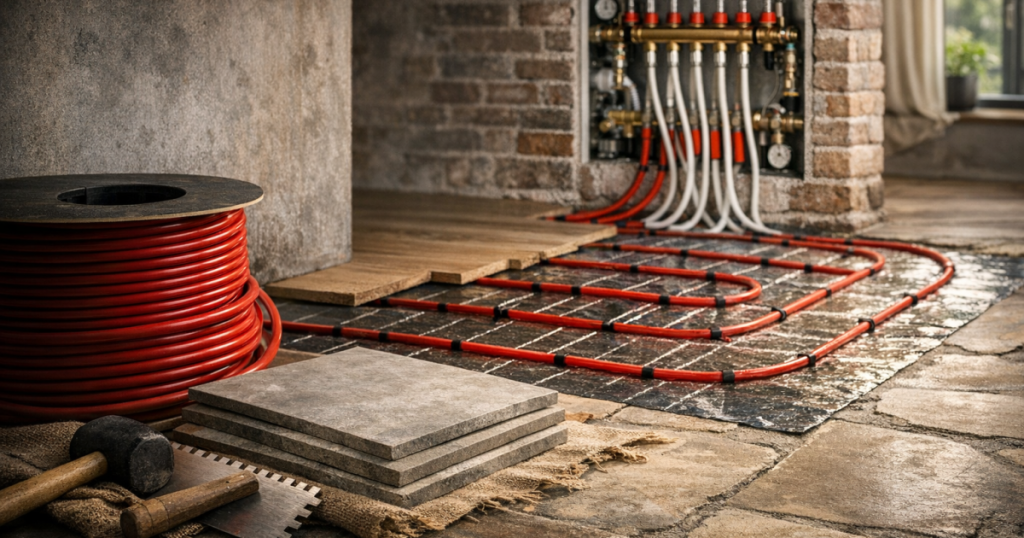
When venturing into the world of buying underfloor heating systems, it’s crucial to first understand your specific heating needs. Underfloor heating serves as an efficient way to warm your home, but the type you choose—electric or water-based—can significantly affect performance and cost. Knowing the area you wish to heat and the overall energy efficiency of your home plays a vital role in making the right decision.
Types of Underfloor Heating Systems
Essentially, underfloor heating systems can be divided into two main categories: electric and water-based. Electric systems are often more straightforward to install and can be ideal for smaller rooms, while water-based systems are typically more efficient for larger areas. Understanding the differences can help you determine which is the best fit for your space.
For a detailed comparison, consider reading our article on Comparing Water-Based and Electric Underfloor Heating Systems.
Space Considerations
The layout of your space is another critical factor. Underfloor heating works best in open areas or rooms with good insulation. High ceilings or spaces with large windows may require additional heat sources. Make sure to measure the area carefully and understand how your chosen system will fit into your current layout.
Flooring Types
The flooring material in your home will influence the efficiency of an underfloor heating system. Certain materials conduct heat better than others. For instance, tiles and stone are excellent conductors, whereas thick carpets may act as insulators, reducing heat efficiency. Therefore, consider what flooring options will be in place before making your purchase.
For smaller rooms, it might be worth looking into our article on the Best Underfloor Heating Systems for Small Rooms.
Energy Efficiency and Running Costs
Energy efficiency is an important consideration. Look for systems with low running costs and check the energy ratings provided by manufacturers. Water-based systems usually have lower operating costs due to their efficiency in heating larger areas, but installation might be more complex compared to electric systems.
Installation: DIY or Professional?
Determine whether you’ll be installing the underfloor heating system yourself or hiring a professional. If you opt for a DIY approach, ensure that you follow a reliable guide, such as our Step-by-Step Guide to Underfloor Heating Installation. If you prefer a professional installation, look for qualified installers with experience in underfloor heating to ensure everything runs smoothly.
Controls and Features
Consider the controls and features of the underfloor heating system. Programmable thermostats offer flexibility and control, allowing you to set schedules and adjust temperatures based on your lifestyle. Investigating the various Understanding Underfloor Heating Controls and Their Features will provide you with options tailored to your needs.
Validate Potential Mistakes
There are several pitfalls to avoid when purchasing underfloor heating. Many customers overlook proper insulation, which is crucial for the system’s efficiency. Additionally, not factoring in the heating demand of your space could lead to inadequate warmth or excessive energy bills. Always perform a thorough assessment before deciding.
Common Misjudgments
- Not considering compatibility with your flooring type.
- Ignoring the importance of insulation.
- Overlooking manufacturer guidelines during installation.
The Cost of Underfloor Heating Systems
While the initial investment in underfloor heating may seem steep, consider the financial benefits in the long run. Look at the costs for both installation and potential energy savings over time. While electric systems can be cheaper initially, a water-based system may prove more cost-effective in larger spaces due to its lower running costs.
What to Do Next
Once you’ve evaluated your space, considered the type of system, and understood your heating requirements, you’re better prepared to choose the right underfloor heating system. Don’t hesitate to reach out for professional advice or detailed guidance tailored to your home’s specific needs.
You can find a wealth of tips in our Key Considerations When Buying Underfloor Heating Systems.
Further Reading
- Essential Factors for Successful Underfloor Heating Installation
- Essential Considerations When Choosing Underfloor Heating Systems
- Best Underfloor Heating Accessories for Efficient Installation
If you have further questions or need personalised guidance, feel free to contact us.
Another aspect to consider is the potential for smart home integration. Many modern underfloor heating systems are now compatible with smart thermostats and home automation systems. This allows you to manage the heating remotely via a smartphone app, providing enhanced control over your home’s environment. Using such technology can lead to additional savings and increased convenience, as you can adjust temperatures on the go or set your system to operate only when it’s needed.
Moreover, it’s crucial to account for the long-term maintenance of your chosen underfloor heating system. Regular checks and servicing, particularly for water-based systems, can help avoid costly repairs and ensure optimal efficiency. As a rule of thumb, keep an eye on the pressure of the system and inspect for leaks or irregularities. Establishing a regular maintenance schedule is a practical way to prolong the lifespan of your heating solution.
Lastly, if you live in an area with fluctuating energy prices, it may be wise to consider systems compatible with alternative energy sources. For instance, incorporating solar panels or connecting your system to off-peak energy tariffs can significantly reduce overall running costs. By doing a bit of research, you can find ways to make your underfloor heating system not just effective, but also cost-efficient in the long run.