
Essential Considerations When Choosing Underfloor Heating Systems
Understanding Your Heating Needs
Selecting the right underfloor heating system can significantly enhance your home’s comfort. The primary considerations include the type of system, the nature of your flooring, and the size of the area you wish to heat. Understanding your specific heating needs helps in making an informed decision that maximises efficiency and comfort. If you’re comparing options, focus on what matters most for buying underfloor heating systems.
Types of Underfloor Heating Systems
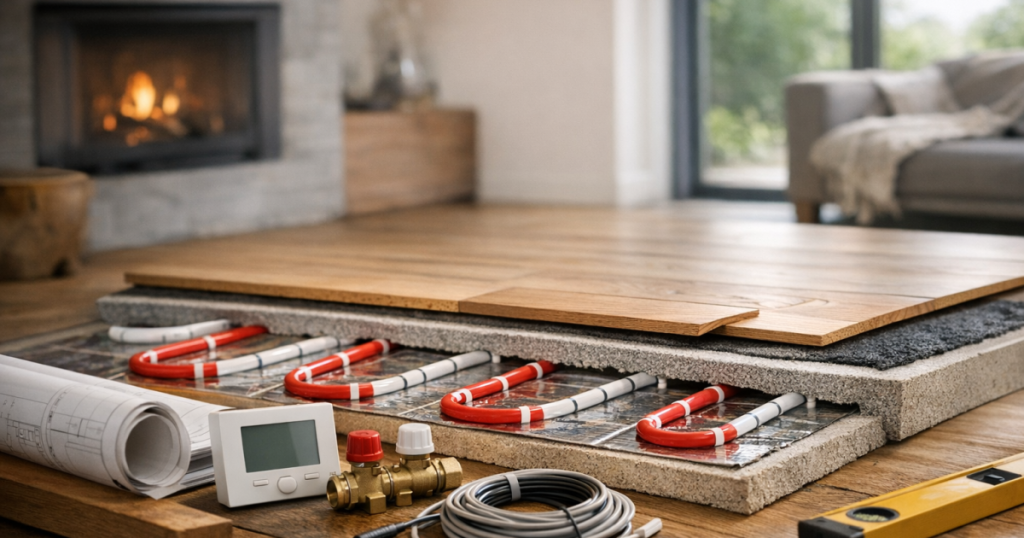
There are two main types of underfloor heating systems: electric and wet (hydronic). Each has its benefits and ideal applications.
- Electric Underfloor Heating: This system uses electric cables or mats installed directly under the flooring. It’s generally easier and quicker to install, making it suitable for smaller spaces or renovation projects. You can learn more about electric systems here.
- Wet Underfloor Heating: This involves a network of pipes that circulate warm water beneath the floor. While installation is more complex and typically requires professional help, it’s highly efficient for larger areas and can work well with existing boiler systems. For a deeper dive into wet systems, see this guide.
Calculating Heating Requirements
The heating requirement of a space is essential to consider. Factors such as room size, insulation quality, and the existing flooring type affect the overall efficiency of the heating system. To get this right, measure the area you want to heat and assess the thermal performance of your home. A qualified professional can assist you in performing a heat loss calculation to determine the best system for your specific needs.
Compatibility with Flooring Types
Your choice of flooring can influence the effectiveness of your underfloor heating system. Some floor types are more conductive than others. For example:
- Tile and Stone: Excellent heat conductors, making them ideal for both electric and wet systems.
- Carpet: Provides warmth but can insulate the heat. Use with caution as it can affect efficiency.
- Laminate and Vinyl: Most modern products can work well, but verification of the manufacturer’s recommendations is crucial.
Energy Efficiency and Running Costs
One of the primary benefits of underfloor heating is its potential for energy efficiency. It’s essential to compare energy consumption between electric and wet systems and consider factors like local energy prices. Electric systems often have higher operating costs, especially in larger installations, whereas wet systems can be more economical in the long term if connected to condensing boilers or heat pumps.
Smart Controls and Features
Modern heating controls offer advanced features that enhance the efficiency of underfloor heating systems. Smart thermostats allow for zoning and scheduling, optimising energy use. Understanding how to choose the right heating control is crucial for making the most of your system. Explore more about this in our article on heating controls.
Installation Considerations
Installation varies considerably between electric and wet systems. Electric systems are generally more straightforward for DIY enthusiasts, while wet systems typically require a professional install to ensure the integrity of the plumbing and heating design. Evaluate whether to undertake installation yourself or hire a professional based on your comfort level with home improvement projects.
Potential Pitfalls to Avoid
Many buyers make common mistakes when purchasing underfloor heating systems. Here are a few:
- Ignoring Heat Loss: Underestimating the importance of insulation and thermal performance can diminish system effectiveness.
- Overlooking Floor Compatibility: Not considering the interactions between the heating system and the flooring can lead to inefficiency.
- Neglecting Maintenance: Regular system checks ensure longevity and effectiveness, especially for wet systems.
Who Benefits from Underfloor Heating?
These systems can suit a range of households. They are particularly beneficial in new builds or extensive renovations where you have the opportunity to plan and install them appropriately from the outset. Additionally, homeowners seeking enhanced comfort levels and energy efficiency might find underfloor heating particularly appealing.
Next Steps for Your Installation
When deciding on a system, evaluate your personal preferences, including comfort, budget, and environmental considerations. For those ready to take the plunge, it’s advisable to consult with specialists who can provide tailored advice based on your home’s specific needs. If in doubt, our team is available to help you through the selection process. Feel free to reach out through our contact page.
Further Reading
- Underfloor Heating Benefits
- Underfloor Heating Components
- Best Underfloor Heating Accessories for Efficient Installation
When making your decision, it’s essential to assess your home’s layout and typical usage patterns. For instance, open-plan areas can benefit from a more extensive underfloor heating system that delivers uniform warmth throughout. Conversely, if you only heat specific rooms, zoned heating can be more economical. Consider adding programmable thermostats for each zone to optimise heat distribution based on usage times.
Moreover, keep in mind the environmental factors that can affect system performance. South-facing rooms may require less heating due to natural sunlight, while areas shaded by trees or tall buildings may need a more robust solution. An energy audit of your home can offer further insights, ensuring the chosen system aligns well with both your heating requirements and sustainability goals.
Lastly, while underfloor heating provides a luxurious and even heating solution, consider integrating it with other energy-saving measures such as high-quality insulation and energy-efficient windows. Combining these approaches not only enhances comfort but also significantly lowers your energy bills in the long run, proving to be a worthwhile investment.