
Understanding Underfloor Heating Controls and Their Features
The Importance of Underfloor Heating Controls
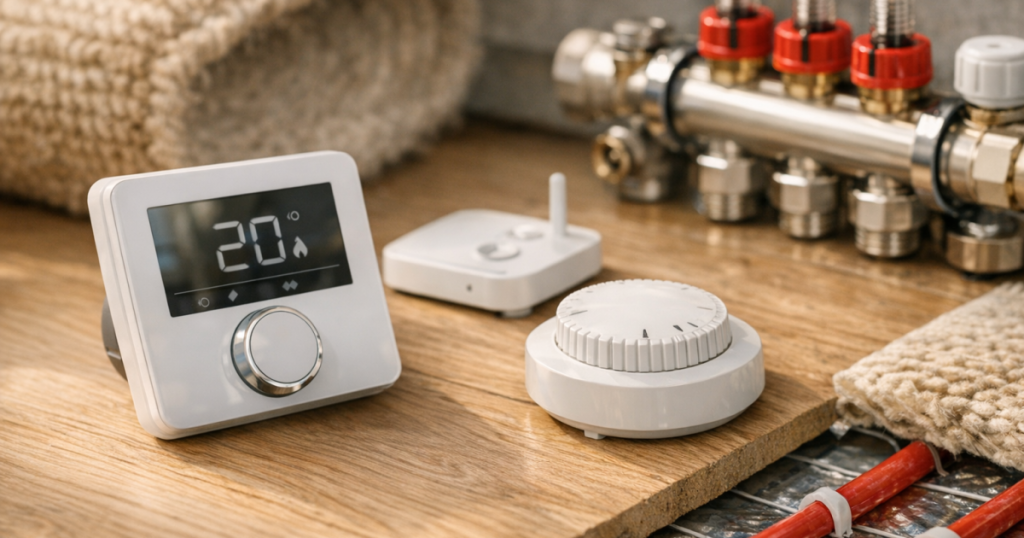
Understanding underfloor heating controls is crucial for optimising the efficiency and comfort of your heating system. These controls help you manage the temperature in your home, ensuring an even and regulated heat distribution. With the right control system, not only can you save on energy costs, but you can also enhance your overall living experience.
Types of Underfloor Heating Controls
There are several types of controls to choose from when it comes to underfloor heating, each with its specific features and benefits.
1. Manual Controls
Manual controls are the simplest and usually the most economical option. With this type, you can adjust the settings directly on the thermostat. While they are easy to use, they lack the advanced features found in digital or programmable systems.
2. Programmable Thermostats
Programmable thermostats allow you to set your heating schedule for specific times. For instance, you can programme the system to warm up your living space before you arrive home from work. This flexibility helps to regulate energy use and maintain a comfortable environment.
3. Smart Controls
Smart controls have become increasingly popular due to their advanced functionality. You can control these systems via smartphone apps, allowing for remote management of your heating preferences from anywhere. Some models even use artificial intelligence to learn your habits and adjust temperatures accordingly.
4. Zone Heating Controls
For larger properties, zone heating controls are ideal. This system divides your home into separate areas, each managed independently. This means you can heat occupied rooms while reducing energy use in unoccupied spaces, promoting greater efficiency.
Key Features to Consider
When selecting an underfloor heating control system, look out for these essential features:
- Ease of Use: Controls should be user-friendly and intuitive.
- Energy Efficiency: Opt for models that help minimise energy consumption.
- Compatibility: Ensure the control system is compatible with your existing heating setup.
- Programmability: Choose a system that allows scheduling for convenience.
- Smart Features: Look for options that offer remote access and smart tech integration.
Installation Considerations
Installing underfloor heating controls can vary in complexity depending on the type chosen. Manual systems are typically straightforward, while programmable and smart systems may require a more intricate installation process. It’s advisable to consult professionals to avoid installation issues. If you’re interested in installation types, further details can be found here: Underfloor Heating Installation Types.
Ensuring Compatibility
Before making a purchase, verify that your chosen control system is compatible with your existing underfloor heating setup. For example, electric underfloor heating systems typically require different controls than wet systems. Understanding your system will help you make an informed decision; discover more about the components involved in your choice here: Underfloor Heating Components.
Common Questions
When considering underfloor heating controls, customers often ask:
- How much can I save on energy bills? While savings vary, effective controls can lead to substantial reductions in heating costs by allowing for better management of energy use.
- Can I upgrade my existing system? Yes, many older systems can be upgraded to accommodate modern heating controls for enhanced functionality and efficiency.
- Do these controls require regular maintenance? Generally, they require minimal upkeep, but it’s always wise to check with your supplier for specific recommendations.
In Brief
Choosing the right underfloor heating control can transform your heating experience, making it more efficient and tailored to your lifestyle. Whether you opt for a simple manual control or a sophisticated smart option, understanding the various features and their benefits is key. For comprehensive insights into the benefits of underfloor heating, click here: Underfloor Heating Benefits.
Explore Next
- How to Choose the Right Heating Control for Underfloor Heating
- Get in touch for expert advice
- Shipping Policy
Another important aspect to consider with underfloor heating controls is their ability to integrate with other home automation systems. For instance, many smart thermostat systems connect seamlessly with smart lighting or security systems. This means you can set your heating, lighting, and even security alarms to operate in synchrony, creating a more efficient and comfortable living environment. Moreover, this integration can be managed through voice-activated devices, making it even more convenient.
When evaluating smart controls, pay attention to their learning capabilities. Some advanced models utilise machine learning algorithms that track your usage patterns over time. They can automatically adjust settings based on your preferences, which not only enhances comfort but also promotes further energy savings by ensuring that your home is heated only when necessary. Features such as geofencing can also be beneficial, as they enable the system to detect when you are approaching home and prepare the environment accordingly.
It’s also worth noting that regular updates to the software for smart heating controls can enhance their functionality over time. Keeping the firmware updated may introduce new features or enhance compatibility with emerging smart home devices. Thus, investing in a system that offers robust customer support and easy access to updates can provide long-term benefits.