
Choosing the Best Materials for Underfloor Heating Installation
Why Material Choice Matters
Selecting the best materials for underfloor heating installation is crucial for achieving an efficient, warm environment in your home. The right materials not only optimise heating but also enhance energy efficiency, reduce running costs, and improve overall comfort. Understanding the various types available helps make informed decisions during the installation process.
Key Materials for Underfloor Heating
Underfloor heating systems rely heavily on the types of materials used in installation. Here are some of the most effective materials:
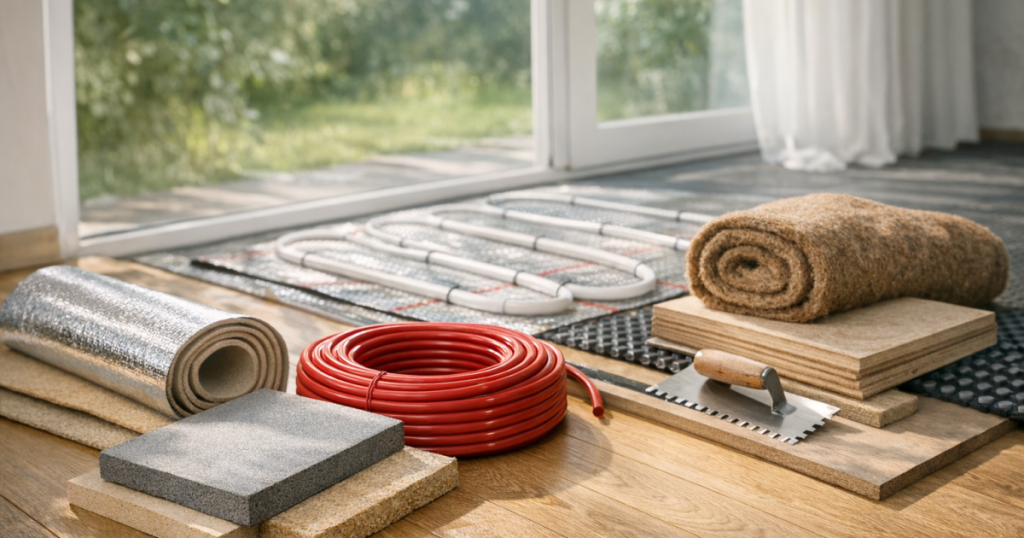
- Insulation Boards: Essential for preventing heat loss, insulation boards help maintain the warmth generated by your underfloor heating system. Popular options include polystyrene or polyisocyanurate boards, which provide excellent thermal resistance.
- Heating Mats and Cables: Electric underfloor heating usually employs flexible heating mats or cables. These materials are designed to be laid directly under the floor covering, facilitating fast and even heat distribution.
- Pipes for Wet Systems: For water-based (wet) systems, PEX (cross-linked polyethylene) pipes are the preferred choice. They are durable, resistant to corrosion, and allow for efficient heat transport.
- Floor Coverings: The choice of flooring significantly impacts heating performance. Materials such as tile and stone work well since they conduct heat effectively. Wood and laminate can also be suitable, though they typically require specific underlay to optimise heat transfer.
- Thermal Mass Materials: Incorporating materials like concrete or screed can enhance thermal mass, storing heat and slowly releasing it into the room, providing a more stable temperature.
Benefits of Using Quality Materials
Investing in high-quality materials for underfloor heating installation yields numerous advantages:
- Increased Efficiency: Premium materials improve the overall efficiency of your heating system, enabling quicker heat-up and lower energy consumption.
- Durability: Selecting robust materials ensures a longer lifespan for your heating system, which can significantly reduce maintenance costs over time.
- Comfort: Quality materials promote an even heat distribution, enhancing comfort levels in your home while eliminating cold spots.
Considerations When Choosing Materials
Before deciding on materials for your underfloor heating installation, consider the following factors:
- Property Type: The choice may vary depending on whether it’s a new build or a retrofit; older homes may require different considerations for insulation and flooring compatibility.
- Heating System: Understand the differences between electric and water-based systems, as each has unique material requirements.
- Budget: While premium materials offer better performance and durability, it’s essential to find a balance that suits your budget.
- Installation Method: Some materials may require professional installation, while others can be DIY, impacting overall costs.
Adhering to Best Practices
Implementing best practices for underfloor heating installation steps not only enhances performance but also maximises comfort and efficiency. For instance, ensuring proper insulation and careful layout of heating elements is vital. For more detailed guidance, refer to essential considerations when choosing underfloor heating systems.
Conclusion
Your choice of materials for underfloor heating installation plays a crucial role in the effectiveness of your system. By opting for the best materials, you’ll not only enhance your home’s comfort but also increase energy efficiency and reduce costs. If you’re considering installing underfloor heating or looking for tailored advice, explore further resources like the essentials of underfloor heating components or the best underfloor heating accessories for efficient installation.
Further reading
- Best Practices for Underfloor Heating Installation Steps
- Essential Considerations When Choosing Underfloor Heating Systems
- Best Underfloor Heating Accessories for Efficient Installation
When selecting materials, always consider the compatibility of your chosen flooring with the heating system. For instance, some laminate flooring may require a special underlay to ensure optimal heat transfer and prevent warping. Additionally, if you foresee any changes in your heating requirements, it may be wise to consider modular systems that allow for easy adjustments or expansions in the future.
Another critical aspect to think about is the layout of your underfloor heating system. A well-planned layout maximises the efficiency of the entire system. For example, staggering heating mats or cables in a room can help provide a more uniform heat distribution, thus enhancing overall comfort. It’s also advisable to calculate the heat output required for each room to ensure the materials you choose can accommodate your specific heating needs.
Furthermore, don’t overlook the long-term implications of your material choices. Investing in sustainable, eco-friendly materials can not only reduce your carbon footprint but also improve the air quality in your home. Look for materials that are well-rated for emissions and those that meet environmental standards. This not only enhances comfort but contributes positively to your overall living environment.